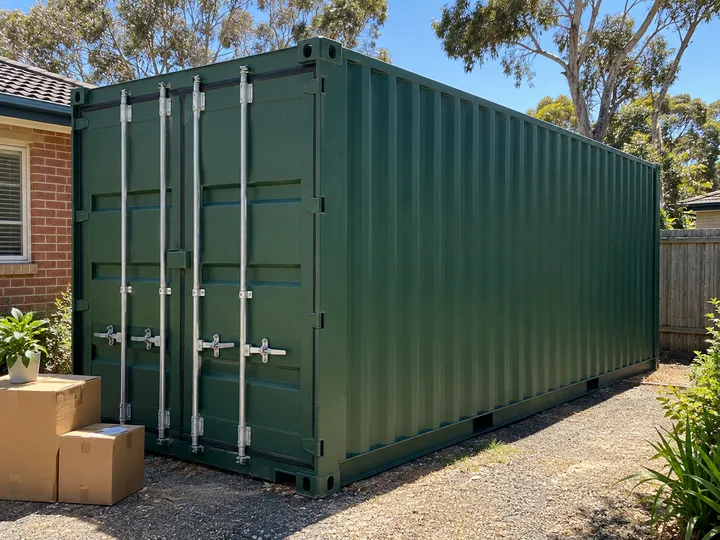
A standard container is not a substitute
Do not assume an ordinary shipping container is suitable for fuels, chemicals, batteries or other hazardous materials. A purpose-designed unit may require features such as bunding and ventilation, depending on the substances and quantities involved.
Information to have ready
Provide the product names, current safety data sheets, quantities, packaging and intended location. Explain whether different substances will share the space and how staff will handle them. Avoid sending sensitive documents through the general quote form; tell us what you need and we can discuss the next step.
Verify suitability before ordering
Ask for the proposed unit’s specifications and documentation. Have a competent adviser confirm its suitability for your goods, operating practices and applicable requirements. A description such as “dangerous goods container” alone does not establish compliance for your use.
Access still matters
The container footprint is only part of the picture. The truck needs a suitable approach, room to turn and room to unload. Send photos of the road, gate, driveway and placement area. Flag slopes, soft ground, branches and overhead services so the transport team can assess the job.
Check any council, property-owner or site requirements for the address and intended use. Storage and a converted building can be treated differently. Ground preparation, supports and anchoring depend on the site and need appropriately qualified advice.