For smaller spaces
Useful extra storage when space on the property is limited.
2.99m × 2.44m × 2.59m external, approx.
Explore 10ft containersFor households, shops and trades in the city, workshops at Centennial Park and Milpara, and farms across the Great Southern. Supplied by road from stock held at a Fremantle depot.
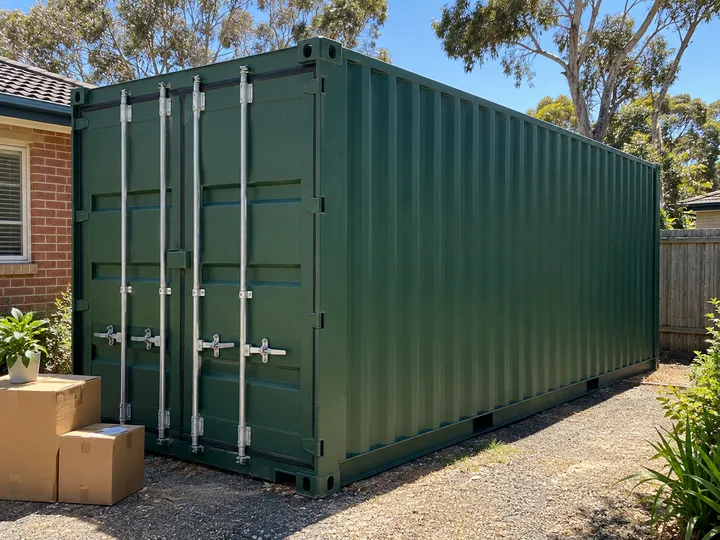
Albany is built around Princess Royal Harbour and the hills of Mount Clarence and Mount Melville, and many older streets climb steeply from the waterfront. The historic centre along York Street and Stirling Terrace has buildings dating back to the early colonial period. Newer suburbs such as Bayonet Head, McKail, Yakamia and Lange sit on gentler ground away from the centre.
The City of Albany covers the whole area, from the town out to rural localities along the coast. For a container, the questions are usually how steep the approach is, whether the spot falls within a heritage area, and how the ground holds up through the wet months.
Useful extra storage when space on the property is limited.
2.99m × 2.44m × 2.59m external, approx.
Explore 10ft containersA practical starting point for home, tools and everyday business storage.
6.06m × 2.44m × 2.59m external, approx.
Explore 20ft containersMore room for a larger storage job, where the property and delivery access allow.
12.19m × 2.44m × 2.59m external, approx.
Explore 40ft containersWatertight applies to cargo-worthy and new single-trip grades only. As-is units are sold as seen and are not sold watertight.
In Mount Clarence, Mount Melville, Middleton Beach and parts of Spencer Park, streets rise and fall and many driveways are short and steep. A tilt-tray needs a fairly level surface to slide a container off, and a steep driveway can stop it well short of the garage. Photos looking up and down the driveway from the street are the most useful thing you can send.
Where the driveway will not work, the options are usually the verge, a level patch of front yard reachable from the road, or a smaller container. On streets where cars line both kerbs, the driver also needs space to position the truck, so say if parking is always tight.
Parts of central Albany are heritage-listed or within heritage areas, and a container visible from the street there may need planning approval. Shops and businesses in the town centre wanting extra storage should ask the City of Albany before placing a container, even temporarily.
Where approval is needed or space is short, a rear yard or service lane may be a better fit than the street frontage. Albany’s older lanes can be narrow, so check the width and any power lines before booking.
Most trade and industrial businesses in Albany are at Centennial Park, close to town, or at Milpara. Containers there hold stock, tools, spares and archive boxes. Yards are generally flatter and easier to reach, but many are shared, so agree the position with the landlord and neighbours and keep driveways and turning room clear.
The Port of Albany handles grain, woodchips and other cargo, and contractors working at the port have their own induction and access requirements. Tell us if the container is for a port-side contractor so the truck booking can follow the port’s rules.
Albany has cool, wet winters and plenty of moist air off the Southern Ocean. That affects containers in two ways. Unsealed driveways and lawns stay soft for long stretches, so a spot that looks firm in summer can bog a truck in winter. And condensation can form on the inside of the roof when warm, moist air meets cold steel overnight.
For household goods, furniture and paperwork, keep items off the floor on pallets, leave space for air to move and consider moisture absorbers. A cargo-worthy or new single-trip container is sold wind and watertight, which keeps rain out but not the humidity already in the air. As-is units are not sold watertight.
Beyond the town, containers are used on grain and sheep properties, in plantation forestry and by agricultural contractors for parts, tools and dry stores. Access is usually a gravel road and then a farm track, and paddock gates can be too narrow for a truck. Measure the gate and tell us about any grids or culverts.
A 40ft gives a farm plenty of room but needs a long, straight run and firm ground. If the access is doubtful, a 20ft is easier to place and to shift later.
Plenty of people are moving to Albany, and many of its older homes are being renovated. A container on the property holds furniture while the work is done, without back-and-forth trips to a storage unit. Holiday homes around Middleton Beach, Emu Point and Little Grove get similar use between visits.
For a holiday home, make sure someone can meet the driver or leave clear written instructions. A container placed in the wrong spot on a sloping block is hard to fix once the truck has left.
Rowing, sailing and sporting clubs around Princess Royal Harbour and Oyster Harbour use containers for gear. On council reserves the City of Albany needs to agree the position and the truck route, and winter turf is usually soft, so plan the placement for firmer ground.
Your street or locality, how steep the driveway is, whether the site is in a heritage area, and photos of the approach and the spot.
It depends on the zoning, whether the site is in a heritage area and how long the container stays. Check with the City of Albany before booking.
Sometimes, not always. A tilt-tray needs a fairly level surface to unload. Send photos and we will tell you whether it can be done or suggest a better spot.
It is trucked down Albany Highway from stock held at a Fremantle depot. There is no Dan’s office in Albany. Inspection at the Fremantle depot is by arrangement.
Cargo-worthy and new single-trip containers are sold wind and watertight. Condensation can still form in Albany’s damp winters, so use pallets and moisture absorbers for anything sensitive.
Yes. Hire suits a renovation with a rough end date. Tell us how long you expect the work to run and where the container can sit on the property.
Read the access guide before choosing where the container will go.
Plan your deliveryYou don’t need to know every size and grade. Tell us what you’re storing and where it’s going, and we’ll help you work it out.